Concept
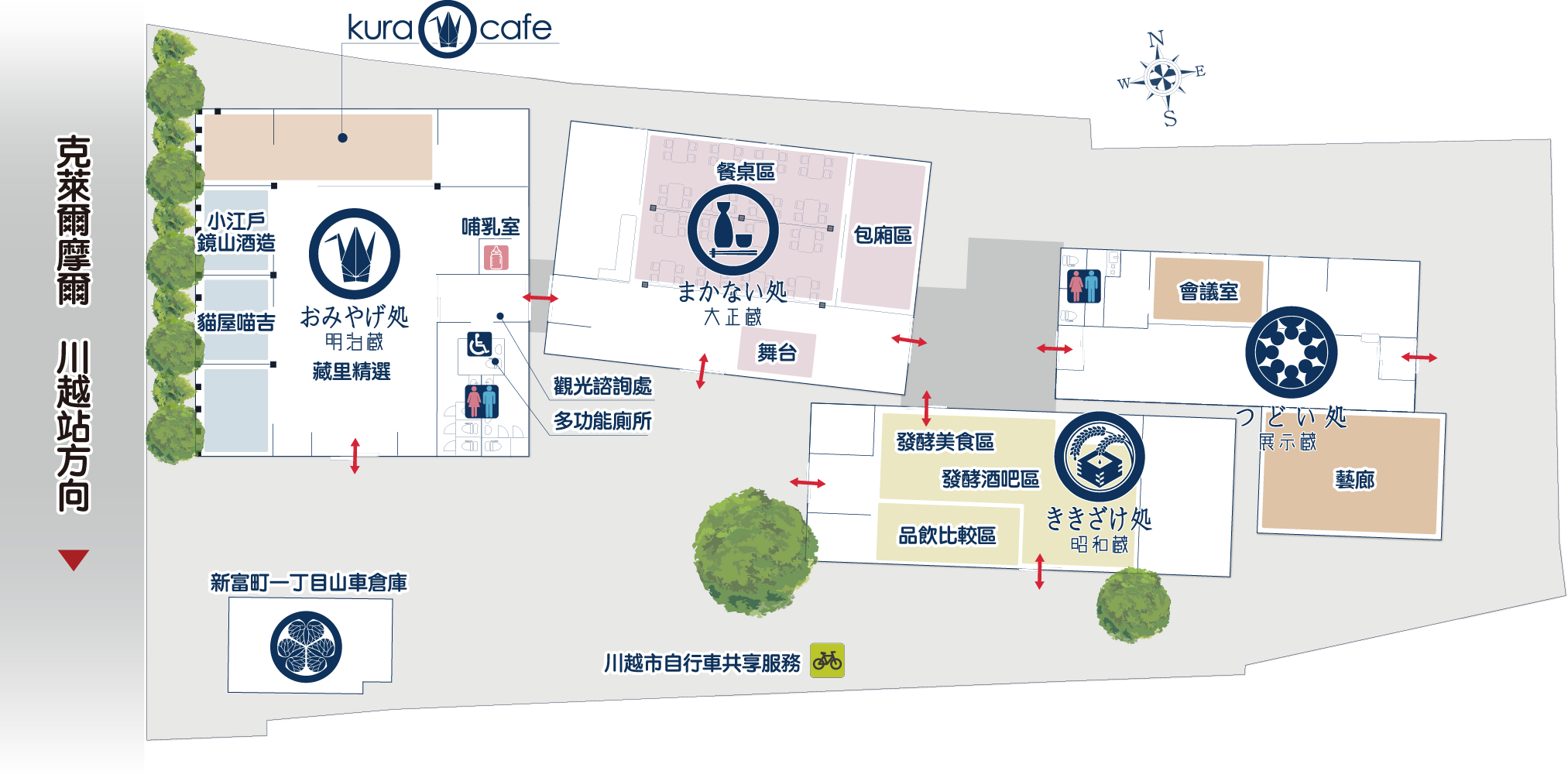
Koedo Kurari is a facility created by renovating former Kagamiyama Sake Brewery buildings while preserving their original character. It opened in October 2010 as a place where visitors can enjoy Kawagoe’s local products and experience interaction between residents and tourists.
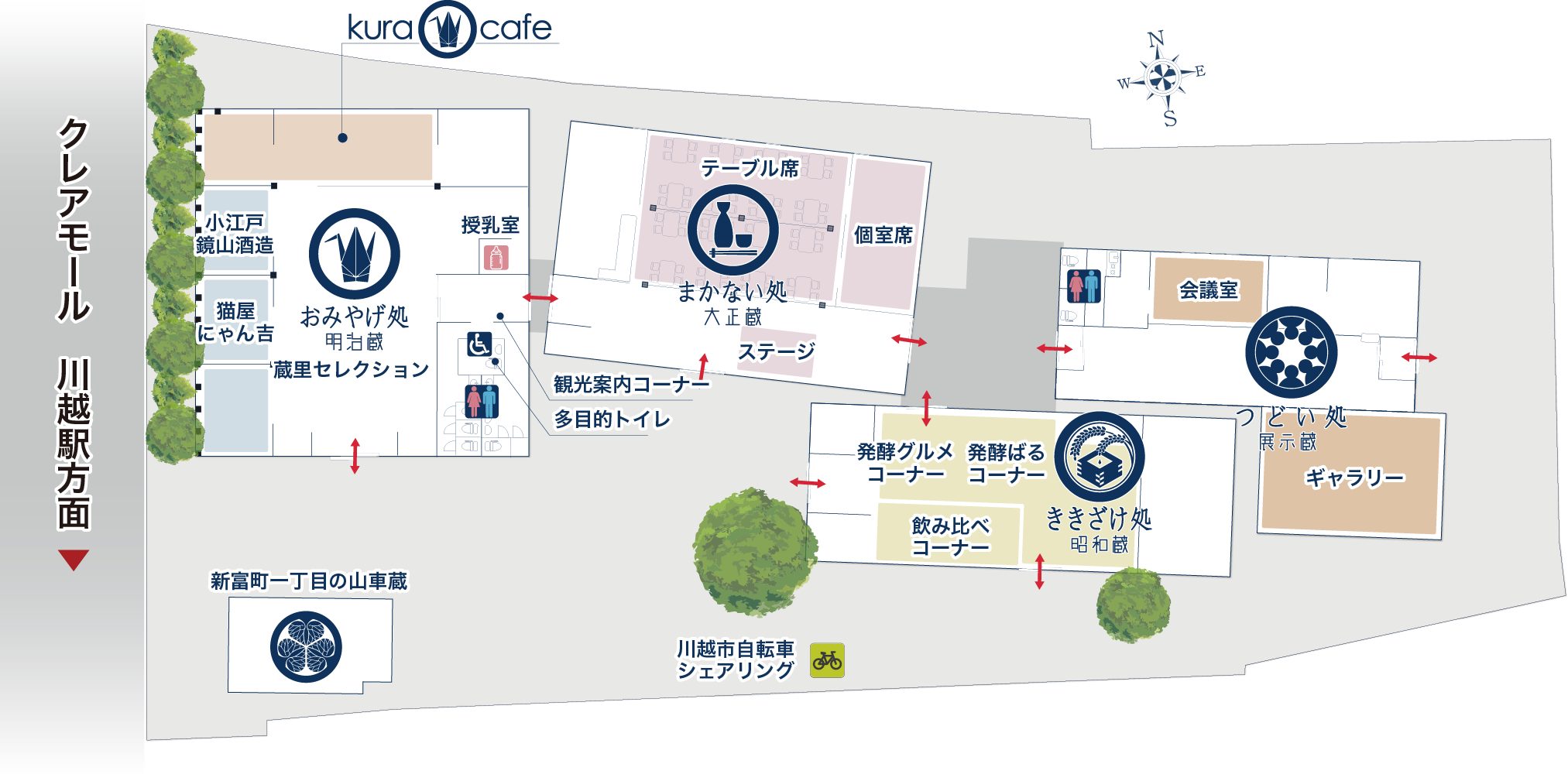
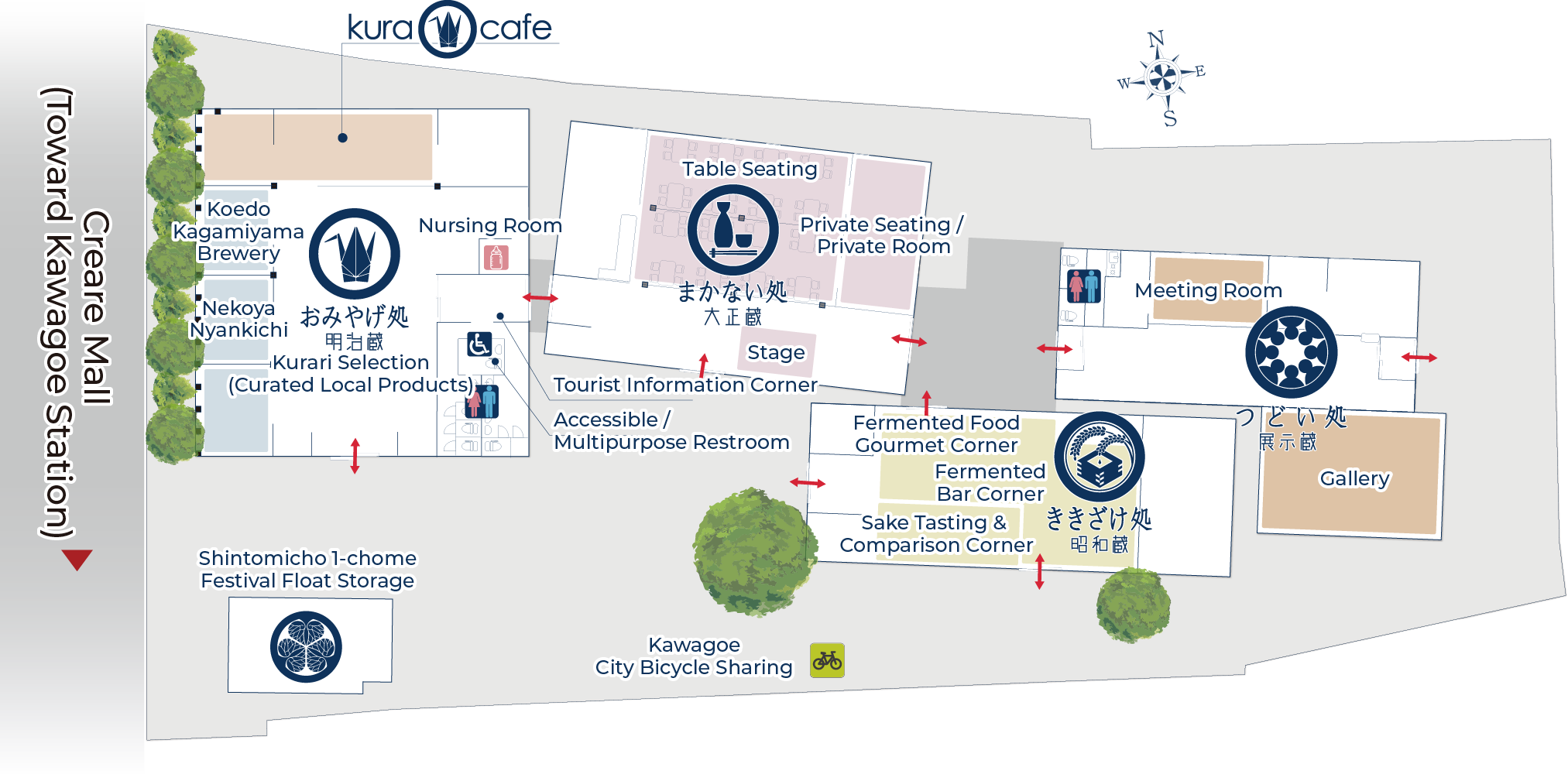
The facility consists of three renovated sake warehouses from the Meiji, Taisho, and Showa periods: the Souvenir Shop (Meiji-gura), the Restaurant (Taisho-gura), and the Sake Tasting Room (Showa-gura). It also includes a Community Space (Tenji-gura). All of these buildings are nationally registered cultural properties.
The name “Koedo Kurari” combines “Koedo” (Little Edo), referring to Kawagoe’s historic atmosphere, “Kura” (warehouse), representing traditional storehouse architecture, and “Ri,” meaning a place where people can stop by and relax.

The oni-gawara, traditional decorative roof tiles featuring demon-like faces, are also used as the symbol of Koedo Kurari. Originally developed around the Nara period, they became widely used in temples and later in homes and traditional buildings throughout Japan. Over time, their expressions grew fiercer, symbolizing strength and protection. In the Edo period, a variety of designs appeared, including family crests, the kanji character for “water” to ward off fire, and other symbols of good fortune.
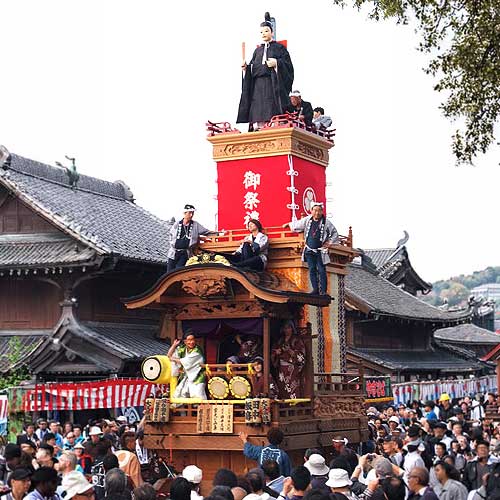
Festival Float of Shintomi-cho 1-chome
The Kawagoe Festival, held every October, features numerous magnificent Edo-style Kawagoe floats crafted by artisans from Edo and Kawagoe. Float depots are scattered throughout the city, and at the depot located within this facility, you can view the float from Shintomicho 1-chome.It features a revolving stage with a double-spire float, a four-wheeled float, and a music platform topped with a Chinese-style gable. The figure depicted is Tokugawa Iemitsu, the third shogun of the Tokugawa clan and a figure closely associated with Kawagoe. He is portrayed standing in formal court attire against a black background, with the three-leaf hollyhock crest prominently displayed.
History
-
-
The History of Kagamiyama Brewery
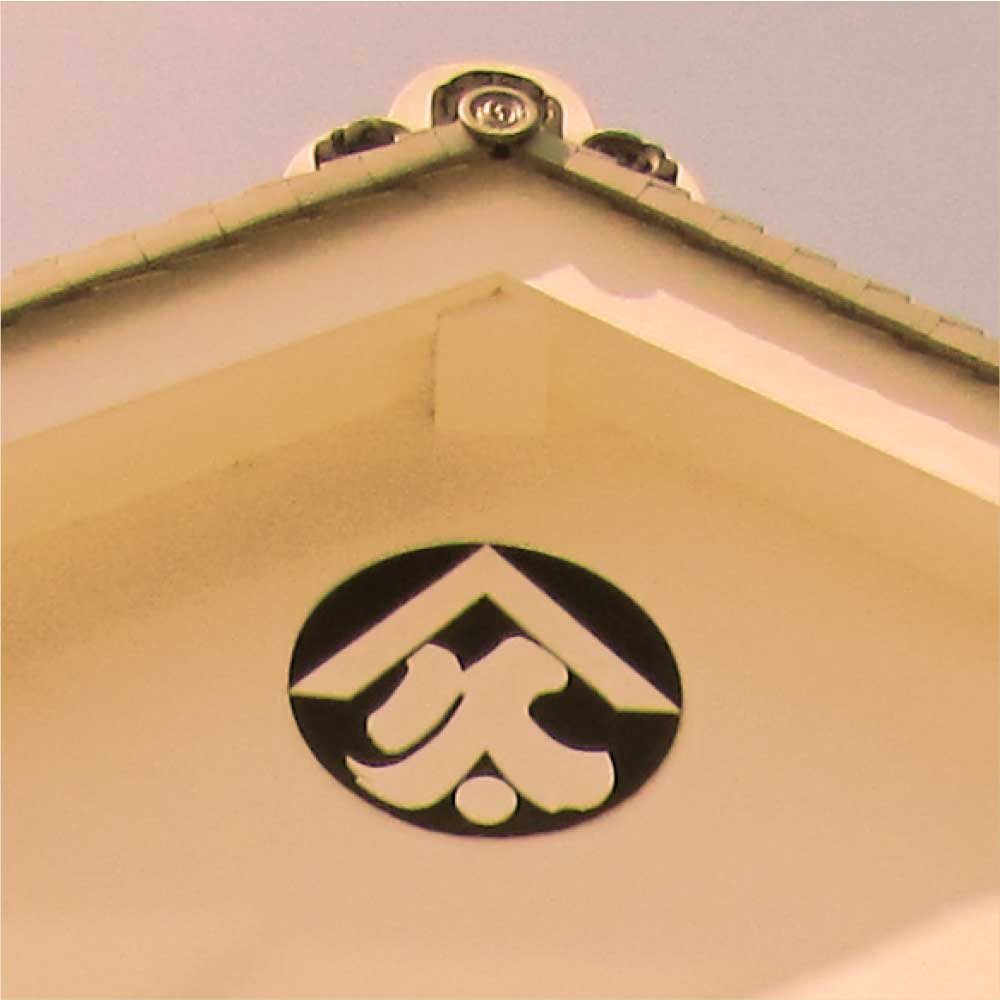
Around 1860 , the company began brewing sake under the trade name "Kyuboshi." Later, around 1875 (Meiji 8), it built a brewery at its current location and established Kagamiyama Sake Brewery.
From then on, for approximately 100 years until the business closed in September 2000 (Heisei 12), it was beloved by many as one of Kawagoe City’s leading sake breweries.
The “Kyuboshi” mark still remains on the Meiji-gura building today.
-
-
The Origin of Kagamiyama
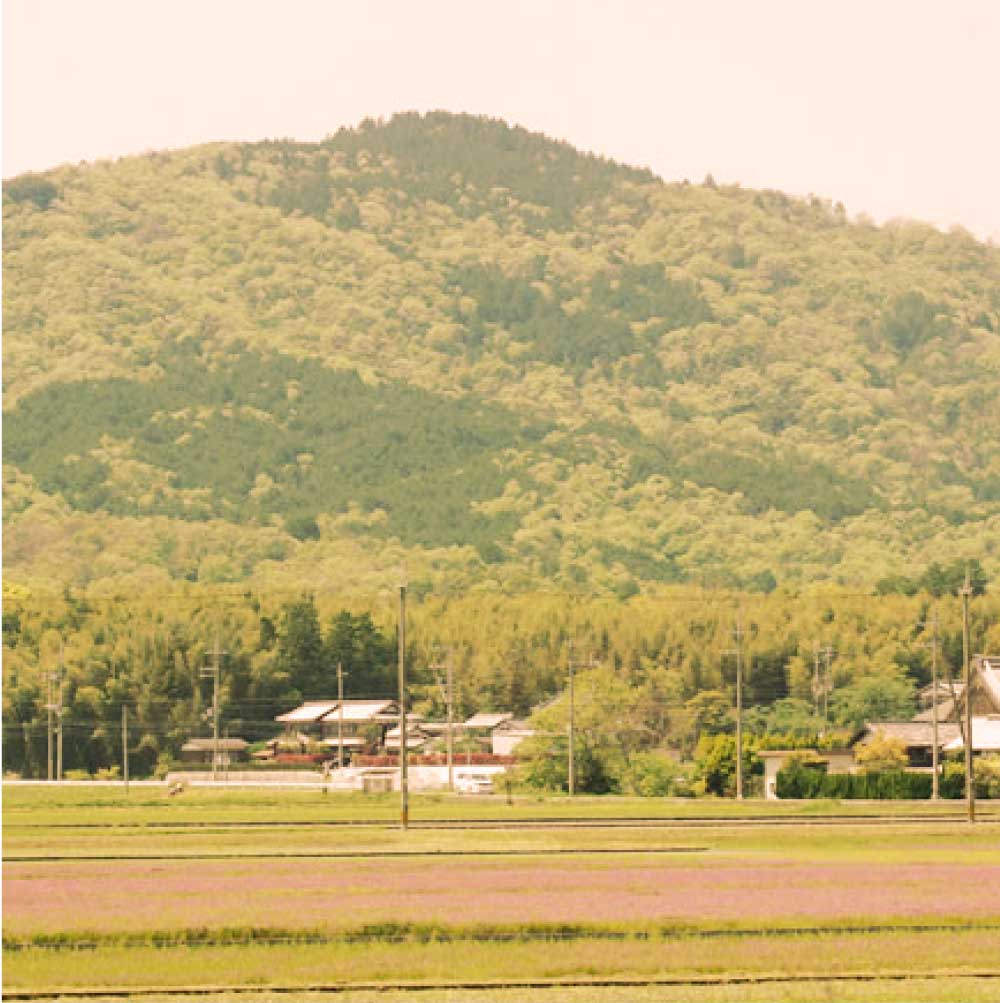
The name “Kagamiyama” comes from Mount Kagami, located near Lake Biwa in Shiga Prefecture. It is said to have been inspired by a famous poem by Fujiwara no Teika describing the moon reflected on the lake’s waves. The poetic beauty of this scene became the inspiration for the brewery’s name.
-
-
Sake Brewing at Each Brewery
The sake-making process proceeds in stages, from koji production to mashing, pressing, and shipping.
First, koji is produced in the Meiji-gura koji room, and then the brewing of “shubo” (starter culture) and “moromi” (fermenting mash) takes place in the Showa-gura.
Afterward, pressing, blending, and filtration are carried out in the Meiji-gura to complete the sake.
Finally, aging, bottling, and packaging were performed in the Taisho-gura.
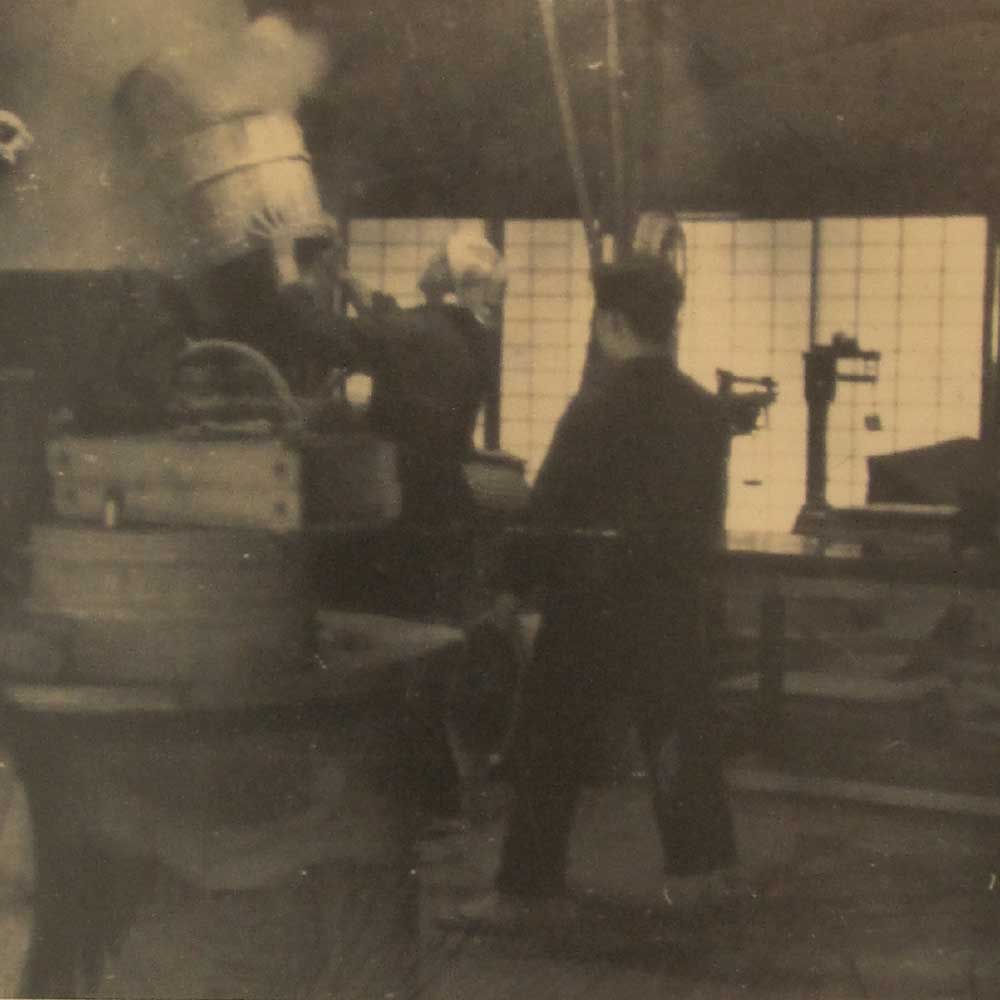
A scene of steamed rice processing in the early Showa period